Peptides UK | Peptide Knowledge Hub
Every living cell requires energy to maintain its structure, communicate with neighbouring cells and carry out essential biological processes.
From muscle contraction to DNA repair, these activities depend on complex networks of chemical reactions collectively known as cellular metabolism.
One molecule plays a particularly important role in these processes: nicotinamide adenine dinucleotide, commonly abbreviated as NAD+.
NAD+ is an essential coenzyme found throughout living cells. It participates in energy-producing reactions, helps regulate cellular signalling and serves as a substrate for enzymes involved in maintaining normal cellular function.
Researchers have also investigated NAD+ in relation to mitochondrial biology, metabolic disorders and ageing.
However, the importance of NAD+ in normal physiology does not automatically mean that increasing its concentration through supplementation or other interventions produces additional health benefits.
So, what exactly is NAD+, how does it work, and why is it so important for cellular metabolism?
In this guide, Peptides UK explores the molecular science of NAD+, its relationship with NADH, its role in ATP production and the current evidence surrounding NAD+-related research.
What Is NAD+?
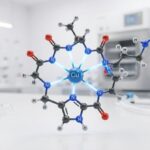
NAD+ stands for nicotinamide adenine dinucleotide.
It is a coenzyme involved in hundreds of biochemical reactions.
A coenzyme is a small organic molecule that assists enzymes in carrying out chemical reactions.
Unlike many proteins and enzymes, NAD+ is not composed of a chain of amino acids.
Instead, it is a dinucleotide containing two nucleotide units connected through phosphate groups.
One nucleotide contains an adenine base, while the other contains nicotinamide.
Nicotinamide is a form of vitamin B3.
NAD+ is essential because it participates in two major categories of cellular activity:
- Oxidation–reduction reactions, which are central to energy metabolism.
- NAD+-consuming enzyme reactions, which contribute to cellular signalling and regulation.
These two functions make NAD+ important far beyond a single metabolic pathway.
Is NAD+ a Peptide?
No. NAD+ is a coenzyme, not a peptide.
This distinction is important because NAD+ is frequently discussed alongside peptides and other molecules involved in cellular research.
Peptides consist of amino acids connected by peptide bonds.
NAD+ has a different molecular structure.
| Characteristic | NAD+ | Peptides |
|---|---|---|
| Molecular classification | Dinucleotide coenzyme | Amino acid chains |
| Main structural components | Nicotinamide, adenine, ribose and phosphate groups | Amino acids |
| Primary biological roles | Redox reactions and enzyme-dependent signalling | Vary according to peptide structure |
| Contains peptide bonds? | No | Yes |
| Examples | NAD+, NADH | GHK, thymosin beta-4, insulin |
Although NAD+ is not a peptide, understanding its biology is relevant to the broader study of cellular metabolism, biotechnology and molecular research.
What Is the Difference Between NAD+ and NADH?
NAD+ exists in two closely related forms.
These are:
- NAD+: The oxidised form
- NADH: The reduced form
The two forms participate in oxidation–reduction reactions, often called redox reactions.
What Is Oxidation?
Oxidation involves the loss of electrons.
What Is Reduction?
Reduction involves the gain of electrons.
During certain metabolic reactions, NAD+ accepts a hydride equivalent and becomes NADH.
The simplified reaction is:
NAD+ + 2e− + H+ → NADH
NADH can subsequently donate reducing equivalents through other biochemical reactions, regenerating NAD+.
This cycling between oxidised and reduced forms is central to cellular energy metabolism.
Why Is the NAD+/NADH Ratio Important?
The NAD+/NADH ratio provides information about the redox state of a biological system.
Cells continuously carry out reactions that produce or consume NADH.
The balance between NAD+ and NADH influences the direction and rate of certain metabolic reactions.
However, this balance is not identical throughout the cell.
The cytoplasm, mitochondria and other cellular compartments maintain distinct metabolic environments.
For this reason, a measurement of total cellular NAD+ does not necessarily describe the redox state of every cellular compartment.
What Is Cellular Metabolism?
Cellular metabolism refers to the network of chemical reactions that sustain living cells.
It includes two broad categories.
Catabolism
Catabolic pathways break down molecules and release energy or produce smaller chemical components.
Examples include the breakdown of carbohydrates and fatty acids.
Anabolism
Anabolic pathways use energy and molecular building blocks to construct more complex substances.
Examples include the synthesis of proteins, lipids and nucleic acids.
NAD+ participates in reactions that connect these processes.
Its role in electron transfer makes it particularly important in pathways associated with energy production.
1. NAD+ and Glycolysis
Glycolysis is a metabolic pathway that converts glucose into pyruvate through a series of enzyme-controlled reactions.
It takes place in the cytosol.
During glycolysis, the enzyme glyceraldehyde-3-phosphate dehydrogenase uses NAD+ as an electron acceptor.
NAD+ is reduced to NADH during this reaction.
This step is essential for glycolysis to continue.
Why Must NAD+ Be Regenerated?
Cells require an available supply of NAD+ to sustain glycolytic activity.
If NAD+ cannot be regenerated from NADH, certain reactions become constrained.
Under conditions where oxidative metabolism is limited, cells may regenerate NAD+ through fermentation-related pathways.
For example, conversion of pyruvate to lactate can help regenerate cytosolic NAD+.
This demonstrates that NAD+ recycling is fundamental to normal metabolism.
2. NAD+ and the Citric Acid Cycle
The citric acid cycle, also known as the Krebs cycle or tricarboxylic acid cycle, is a central metabolic pathway.
In human cells, it operates primarily within the mitochondrial matrix.
The cycle processes acetyl-CoA and generates reduced electron carriers.
Several enzymes within the cycle use NAD+.
These reactions produce NADH, which can subsequently contribute electrons to the mitochondrial electron transport chain.
The citric acid cycle therefore connects the breakdown of nutrients with mitochondrial energy production.
3. NAD+ and Mitochondrial Function
Mitochondria are cellular organelles involved in numerous metabolic processes.
They are especially important for oxidative phosphorylation, a major source of ATP in many cell types.
NADH generated by metabolic pathways contributes reducing equivalents to the mitochondrial electron transport chain.
What Is the Electron Transport Chain?
The electron transport chain is a series of protein complexes located in the inner mitochondrial membrane.
Electrons from NADH enter through Complex I.
As electrons move through the chain, energy is used to establish an electrochemical proton gradient.
This gradient helps drive ATP synthesis.
How Does NADH Contribute?
NADH transfers electrons to Complex I and is oxidised back to NAD+.
This helps connect nutrient oxidation to ATP production.
However, NAD+ itself is not a direct substitute for ATP.
Its role is primarily to support the reactions that make energy production possible.
4. NAD+ and ATP Production
ATP stands for adenosine triphosphate.
It is a molecule that cells use to transfer energy to many biological processes.
ATP supports activities such as:
- Muscle contraction
- Active transport across membranes
- Biosynthesis
- Cellular signalling
- Maintenance of ion gradients
NAD+ and ATP are related but perform different functions.
| Molecule | Primary role |
|---|---|
| NAD+ | Accepts reducing equivalents in redox reactions and serves as a substrate for signalling enzymes |
| NADH | Carries reducing equivalents generated during metabolism |
| ATP | Transfers chemical energy to cellular processes |
NAD+ supports pathways that contribute to ATP generation, but it is not itself the cell’s main immediate energy currency.
5. NAD+ and Fatty Acid Metabolism
Fatty acids can serve as important energy sources.
During mitochondrial beta-oxidation, fatty acids are progressively broken down into smaller units.
Certain reactions in this pathway require NAD+.
These reactions produce NADH, which can contribute to oxidative phosphorylation.
The relationship between NAD+ and fatty acid metabolism illustrates its importance across different nutrient pathways.
NAD+ is not limited to carbohydrate metabolism.
6. NAD+ and Amino Acid Metabolism
Amino acids serve as building blocks for proteins and participate in numerous metabolic pathways.
Certain amino acid degradation reactions involve NAD+-dependent enzymes.
These reactions connect amino acid metabolism with broader cellular energy pathways.
NAD+ is therefore relevant to the metabolism of carbohydrates, fats and amino acids.
Its central role reflects the interconnected nature of cellular biochemistry.
7. NAD+ and Sirtuins
Beyond its role in redox reactions, NAD+ is a substrate for enzymes called sirtuins.
Sirtuins are a family of proteins involved in several cellular regulatory processes.
Some sirtuins remove acetyl groups or other acyl modifications from proteins.
These reactions can influence protein activity and cellular regulation.
Why Are Sirtuins Important?
Researchers have investigated sirtuins in relation to:
- Metabolic regulation
- Mitochondrial biology
- Stress responses
- Chromatin organisation
- Cellular ageing processes
Sirtuin activity depends on NAD+ availability, among other factors.
However, increasing NAD+ concentrations does not automatically produce a beneficial change in every sirtuin-controlled pathway.
Different sirtuins have different functions, and their activity depends on cellular context.
8. NAD+ and DNA Repair
Cells are exposed to various sources of DNA damage.
These can include normal metabolic processes and environmental factors.
Maintaining DNA integrity requires specialised detection and repair systems.
One group of proteins involved in DNA damage responses is the poly(ADP-ribose) polymerase family, commonly abbreviated as PARPs.
What Are PARPs?
PARPs are enzymes that use NAD+ as a substrate to transfer ADP-ribose units to target molecules.
Certain PARPs, including PARP1, participate in cellular responses to DNA damage.
This process can help coordinate repair-related signalling.
However, PARP activation also consumes NAD+.
Under conditions of extensive cellular stress, increased NAD+ consumption may influence metabolic balance.
Does NAD+ Directly Repair DNA?
Not by itself.
NAD+ supports enzymes involved in DNA damage responses.
It is therefore more accurate to say that NAD+ contributes to DNA repair-associated processes than to claim that NAD+ independently repairs DNA.
9. NAD+ and CD38
CD38 is an enzyme involved in NAD+ metabolism and cellular signalling.
It can consume NAD+ and produce metabolites involved in signalling pathways.
Some of these pathways are associated with calcium regulation.
Researchers have investigated CD38 in relation to immune biology, metabolism and ageing.
Changes in CD38 activity may influence NAD+ availability in certain tissues.
However, its functions are complex, and CD38 should not simply be described as an undesirable enzyme.
It performs physiological roles that are important in particular biological contexts.
10. NAD+ and Cellular Ageing
NAD+ has become a major topic in ageing research.
Some animal studies have reported changes in NAD+ metabolism during ageing.
Researchers have also investigated whether NAD+ availability influences processes associated with cellular stress, mitochondrial function and tissue maintenance.
However, the relationship between NAD+ and human ageing is more complicated than it is sometimes presented.
Does NAD+ Always Decline With Age?
Not necessarily in every tissue or individual.
A 2025 review in Nature Metabolism noted that consistent evidence of age-related NAD+ decline in humans has been demonstrated in only a limited number of studies.
NAD+ concentrations may vary according to:
- Tissue type
- Cellular compartment
- Metabolic state
- Disease processes
- Measurement method
- Age-related biological changes
It is therefore inaccurate to assume that every person experiences the same predictable reduction in NAD+ levels.
Does Increasing NAD+ Reverse Ageing?
No such effect has been established in humans.
Preclinical studies have generated hypotheses about NAD+ metabolism and ageing.
However, evidence that increasing NAD+ concentrations reverses biological ageing or extends human lifespan remains insufficient.
A change in a biochemical marker is not equivalent to a demonstrated improvement in health or longevity.
How Does the Body Produce NAD+?
Cells maintain NAD+ through several interconnected biosynthetic pathways.
Three major routes are commonly described.
1. The Salvage Pathway
The salvage pathway recycles nicotinamide into NAD+.
A key enzyme in this pathway is nicotinamide phosphoribosyltransferase, or NAMPT.
NAMPT contributes to the formation of nicotinamide mononucleotide (NMN).
NMN can subsequently be converted into NAD+ by nicotinamide mononucleotide adenylyltransferase enzymes.
This pathway is important in many mammalian cells.
2. The Preiss–Handler Pathway
This pathway uses nicotinic acid, another form of vitamin B3.
Through a series of enzyme-controlled reactions, nicotinic acid can contribute to NAD+ biosynthesis.
3. The De Novo Pathway
The de novo pathway begins with the amino acid tryptophan.
Through the kynurenine pathway and subsequent reactions, tryptophan can contribute to NAD+ production.
These pathways illustrate how cells maintain NAD+ using different metabolic precursors.
What Are NAD+ Precursors?
NAD+ precursors are molecules that can contribute to NAD+ biosynthesis.
Several have attracted research interest.
| Molecule | Abbreviation | Relationship to NAD+ |
|---|---|---|
| Nicotinamide | NAM | Vitamin B3 form used in the salvage pathway |
| Nicotinic acid | NA | Vitamin B3 form used in the Preiss–Handler pathway |
| Nicotinamide riboside | NR | NAD+ precursor that can enter biosynthetic pathways |
| Nicotinamide mononucleotide | NMN | Intermediate in NAD+ biosynthesis |
| Tryptophan | Trp | Amino acid precursor for de novo synthesis |
These molecules are chemically distinct.
They should not automatically be treated as interchangeable in terms of absorption, metabolism, safety or biological effects.
NAD+ vs NMN vs NR: What Is the Difference?
NAD+, NMN and NR are closely connected but are not identical molecules.
NAD+
NAD+ is the coenzyme used in redox reactions and as a substrate for several signalling enzymes.
NMN
NMN is a nucleotide intermediate that can be converted into NAD+.
NR
NR is a nucleoside that can contribute to NAD+ biosynthesis through metabolic pathways.
Why Does This Distinction Matter?
Research involving NR or NMN supplementation does not automatically establish the effects of administering NAD+ itself.
Different molecules may be processed differently by the digestive system, tissues and cellular transport pathways.
The biological effects of a precursor also depend on how it is metabolised.
What Has Human NAD+ Research Investigated?
Human studies have investigated NAD+-related compounds in relation to:
- Blood and tissue NAD+ measurements
- Metabolic biomarkers
- Physical function
- Mitochondrial-related conditions
- Inflammatory markers
- Cardiovascular measurements
- Age-associated physiological changes
A number of studies have found that certain NAD+ precursors can increase circulating NAD+-related biomarkers.
For example, a 2026 study in Nature Metabolism reported that NR and NMN increased circulating NAD+ concentrations over 14 days in healthy adults.
However, increasing a biomarker does not establish that a treatment improves health.
What Does the Clinical Evidence Actually Show?
The clinical evidence is mixed.
A 2026 systematic review examined 113 eligible studies, including 33 human intervention studies and 80 rodent studies.
The review reported that oral NR and NMN frequently increased measured NAD+-related biomarkers in humans.
However, effects on functional, metabolic and other health-related outcomes were inconsistent or limited to particular measurements.
The review also found no eligible clinical outcomes trials evaluating intravenous or intramuscular NAD+ itself for anti-ageing or wellness indications.
These findings highlight the difference between demonstrating biochemical activity and establishing clinical benefit.
Does Increasing NAD+ Automatically Improve Cellular Energy?
No.
Although NAD+ is essential for energy metabolism, increasing its measured concentration does not necessarily increase ATP production or improve physical performance.
Cellular energy production depends on many interacting factors.
These include:
- Nutrient availability
- Enzyme activity
- Oxygen availability
- Mitochondrial function
- Cellular energy demand
- Redox balance
- Tissue-specific metabolic regulation
NAD+ availability is one part of this larger system.
A higher concentration is not automatically associated with better cellular function.
What Is the Difference Between NAD+ Levels and NAD+ Function?
Measuring NAD+ concentration provides information about the amount detected in a sample.
It does not necessarily describe how effectively NAD+-dependent pathways are functioning.
For example, two samples could contain similar NAD+ concentrations but differ in:
- NAD+/NADH ratios
- Enzyme activity
- Mitochondrial function
- Metabolite turnover
- Cellular compartment distribution
This is why researchers often examine several related measurements rather than relying on one biomarker.
How Do Scientists Measure NAD+?
NAD+ research relies on specialised analytical methods.
Liquid Chromatography–Mass Spectrometry
LC-MS can be used to investigate NAD+ and related metabolites.
It combines chromatographic separation with mass-based detection.
Enzymatic Assays
Certain laboratory assays use enzyme-dependent reactions to estimate NAD+ or NADH concentrations.
Targeted Metabolomics
Metabolomics investigates collections of small molecules involved in metabolism.
Targeted methods can measure NAD+, NADH and related metabolites.
Why Does Sample Handling Matter?
NAD+ and NADH measurements can be affected by sample collection, processing and storage.
Differences in sample handling may alter measured concentrations.
Appropriate analytical validation is therefore essential.
Why Is Cellular Compartmentalisation Important?
Cells contain multiple compartments with different metabolic functions.
These include:
- Cytosol
- Nucleus
- Mitochondria
NAD+ and NADH participate in processes within these environments.
However, the molecules do not necessarily move freely between every compartment.
Cells use transport systems and metabolic pathways to regulate compartment-specific NAD+ availability.
Consequently, whole-cell measurements may not reveal important local differences.
What Is the Difference Between NAD+ and NADP+?
NAD+ and NADP+ are related but distinct coenzymes.
NADP+ contains an additional phosphate group.
Its reduced form is NADPH.
| Molecule | Common biological association |
|---|---|
| NAD+ | Catabolic redox reactions and NAD+-dependent signalling |
| NADH | Electron transfer in energy metabolism |
| NADP+ | Oxidised form of a coenzyme used in multiple metabolic pathways |
| NADPH | Reducing power for biosynthesis and antioxidant defence |
These are broad functional distinctions rather than absolute rules.
NADPH is particularly important in processes such as fatty acid synthesis and maintenance of cellular antioxidant systems.
What Is NAD+ Homeostasis?
NAD+ homeostasis is the regulation of NAD+ synthesis, recycling, consumption and distribution.
Cells must maintain sufficient NAD+ for essential biochemical functions.
This requires coordination between:
- NAD+ biosynthesis
- NADH oxidation
- NAD+-consuming enzymes
- Metabolite recycling
- Cellular transport
- Nutrient availability
Disruption of these processes can affect cellular metabolism.
However, the appropriate NAD+ balance depends on the tissue and physiological context.
Is NAD+ Supplementation the Same as Normal NAD+ Metabolism?
No.
Normal NAD+ metabolism is an essential biological process occurring continuously in living cells.
Supplementation or external administration involves introducing additional substances into the body.
The consequences depend on the particular compound, formulation and route of exposure.
A molecule being essential to normal biology does not establish that administering additional amounts will be beneficial.
Are NAD+ Injections or Infusions Clinically Proven?
Evidence for intravenous or intramuscular NAD+ for general wellness or anti-ageing remains inadequate.
As noted in the 2026 systematic review, eligible clinical outcomes trials for these uses were not identified.
This means that claims about improved energy, longevity or general health from NAD+ infusions are not supported by robust clinical outcomes evidence.
The absence of adequate evidence should not be confused with proof that every proposed effect is impossible.
It means the claimed benefits have not been reliably demonstrated.
What Are the Safety Considerations?
Safety depends on the substance, formulation, amount, route of exposure and individual circumstances.
Potential concerns with unapproved or inadequately characterised preparations include:
- Unknown adverse effects
- Contamination
- Impurities
- Inadequate sterility assurance
- Formulation-related reactions
- Incomplete long-term safety evidence
- Interactions with underlying medical conditions
Research involving oral NAD+ precursors should not automatically be used to establish the safety of injectable NAD+ preparations.
Similarly, analytical purity does not prove that a preparation is suitable for human administration.
Why Does NAD+ Stability Matter in Laboratory Research?
Reliable laboratory research depends on the integrity of the materials and samples being investigated.
NAD+ and related metabolites can undergo chemical or enzymatic changes under unsuitable conditions.
Relevant factors include:
- Temperature
- pH
- Moisture
- Light exposure
- Enzymatic activity
- Sample-processing time
- Storage conditions
These factors can influence analytical results.
There is no single storage condition that should be assumed appropriate for every NAD+ preparation or biological sample.
Researchers should rely on validated, material-specific procedures.
What Is the Difference Between NAD+ Purity and Biological Activity?
Purity describes specified chemical characteristics of a sample.
Biological activity concerns the effects of a substance in a defined experimental system.
These are separate concepts.
A highly pure NAD+ sample does not automatically establish:
- Improved mitochondrial function
- Increased ATP production
- Clinical effectiveness
- Sterility
- Safety for human administration
Likewise, a measured increase in NAD+ concentration does not automatically establish improved health.
Common Misunderstandings About NAD+
“NAD+ Is a Peptide”
Incorrect. NAD+ is a dinucleotide coenzyme.
“NAD+ and NADH Are the Same Molecule”
They are closely related oxidised and reduced forms, but their redox roles differ.
“NAD+ Is the Same as ATP”
Incorrect. NAD+ supports metabolic reactions, while ATP transfers energy to cellular processes.
“Increasing NAD+ Always Increases Energy”
Incorrect. Cellular energy production depends on multiple pathways and regulatory factors.
“NAD+ Levels Always Decline With Age”
Incorrect. Human evidence is tissue-dependent and less consistent than some popular descriptions suggest.
“Higher NAD+ Proves Slower Ageing”
Incorrect. A biomarker increase does not establish an anti-ageing effect.
“NR, NMN and NAD+ Are Interchangeable”
Incorrect. They are distinct molecules with different metabolic pathways and research evidence.
“NAD+ Infusions Are Clinically Proven to Reverse Ageing”
Incorrect. Reliable clinical evidence supporting this claim is lacking.
Frequently Asked Questions
What is NAD+?
NAD+ is nicotinamide adenine dinucleotide, an essential coenzyme involved in cellular metabolism and signalling.
What does NAD+ do in the body?
It participates in redox reactions, energy metabolism and enzyme-dependent cellular regulation.
Is NAD+ a peptide?
No. NAD+ is a dinucleotide coenzyme.
What is the difference between NAD+ and NADH?
NAD+ is the oxidised form, while NADH is the reduced form.
Does NAD+ help produce ATP?
Yes. NAD+/NADH cycling supports metabolic pathways that contribute to ATP production.
Is NAD+ found in mitochondria?
Yes. NAD+ and NADH are important components of mitochondrial metabolism.
What is the NAD+/NADH ratio?
It is a measurement relating the oxidised and reduced forms of NAD within a defined biological system.
What are NAD+ precursors?
They are molecules that can contribute to NAD+ synthesis, including nicotinamide, nicotinic acid, NR, NMN and tryptophan.
Is NAD+ the same as NMN?
No. NMN is a precursor involved in NAD+ biosynthesis.
Is NAD+ the same as NR?
No. NR is a nucleoside that can contribute to NAD+ production.
Does NAD+ repair DNA?
NAD+ supports enzymes involved in DNA damage responses, but it does not independently repair DNA.
Does NAD+ decline with age?
Some studies have reported age-related changes, but the human evidence is variable and tissue-specific.
Can NAD+ supplementation reverse ageing?
No reliable clinical evidence has established that NAD+ supplementation reverses human ageing.
Are NAD+ infusions proven to improve energy?
High-quality clinical evidence supporting general energy or wellness claims remains insufficient.
Can NAD+ be measured in a laboratory?
Yes. Techniques including LC-MS and validated enzymatic assays can measure NAD+ and related metabolites.
Does high NAD+ purity mean a preparation is safe?
No. Analytical purity does not establish sterility, clinical safety or suitability for human administration.
Conclusion: Why NAD+ Is Essential to Cellular Metabolism
NAD+ is one of the most important coenzymes involved in cellular metabolism.
Its ability to cycle between oxidised and reduced forms supports biochemical reactions associated with glycolysis, the citric acid cycle, mitochondrial function and energy production.
NAD+ also serves as a substrate for enzymes involved in cellular signalling, protein regulation and DNA damage responses.
These roles explain why NAD+ has attracted considerable scientific interest.
However, its importance in normal biology should not be confused with proof that increasing NAD+ concentrations produces additional health benefits.
Although certain NAD+ precursors can increase measured NAD+-related biomarkers, human clinical evidence for broad anti-ageing, performance and wellness benefits remains limited.
Understanding the distinction between biochemical function, experimental findings and demonstrated clinical outcomes is essential for interpreting this research.
At Peptides UK, our Peptide Knowledge Hub explores the molecular foundations of modern biotechnology, including peptides, coenzymes, cellular signalling and laboratory analysis.
By understanding NAD+ metabolism, readers can develop a clearer picture of how cells manage energy and maintain essential biological functions.
Scientific References and Further Reading
1. Covarrubias AJ, et al. (2021). NAD+ metabolism and its roles in cellular processes during ageing. Nature Reviews Molecular Cell Biology.
https://doi.org/10.1038/s41580-020-00313-x
2. Migaud ME, Ziegler M, Baur JA. (2024). Regulation of and challenges in targeting NAD+ metabolism. Nature Reviews Molecular Cell Biology.
https://doi.org/10.1038/s41580-024-00752-w
3. Vinten KT, et al. (2025). NAD+ precursor supplementation in human ageing: clinical evidence and challenges. Nature Metabolism.
https://doi.org/10.1038/s42255-025-01387-7
4. Emerging strategies, applications and challenges of targeting NAD+ in the clinic (2025). Nature Aging.
https://doi.org/10.1038/s43587-025-00947-6
5. Gallagher C, Emmanuel OO. (2026). NAD+ supplementation for anti-aging and wellness: A PRISMA-guided systematic review of preclinical and clinical evidence. Ageing Research Reviews.
https://doi.org/10.1016/j.arr.2026.103057
6. The differential impact of three different NAD+ boosters on circulatory NAD and microbial metabolism in humans (2026). Nature Metabolism.
https://doi.org/10.1038/s42255-025-01421-8
Research and Safety Disclaimer
This article is intended for general scientific and educational purposes only and does not constitute medical advice.
NAD+ is an essential naturally occurring coenzyme, but this does not establish that externally administered NAD+ or NAD+-related preparations are safe or effective for any particular medical or wellness purpose.
Research findings involving NAD+ precursors should not automatically be applied to NAD+ injections or infusions.
Nothing in this article constitutes a recommendation to obtain, administer or self-experiment with unapproved preparations.
Analytical purity, laboratory documentation and research-use designations do not independently establish sterility, pharmaceutical-grade manufacturing, clinical safety or suitability for human administration.
Readers seeking advice about metabolic health or medical treatment should consult an appropriately qualified healthcare professional.