Understanding Peptide Purity, HPLC Testing, Mass Spectrometry & Laboratory Quality Control
How do scientists determine whether a peptide sample contains the expected compound, assess its purity and investigate potential impurities?
Welcome to Laboratory Quality & Purity, part of the Peptides UK Knowledge Hub.
Explore 10 educational guides explaining the scientific principles behind peptide identity testing, analytical purity, laboratory quality control, sample stability and batch traceability.
Learn how techniques such as high-performance liquid chromatography (HPLC) and mass spectrometry (MS) contribute different types of analytical evidence, how certificates of analysis (COAs) are interpreted, and why a reported purity percentage does not tell the whole story about sample quality.
Whether you’re a student, laboratory researcher or someone interested in analytical chemistry, these guides provide accessible explanations of important laboratory concepts.
Beginner — Understanding Peptide Quality
Learn what purity percentages mean, how purity differs from potency and why laboratory documentation matters.
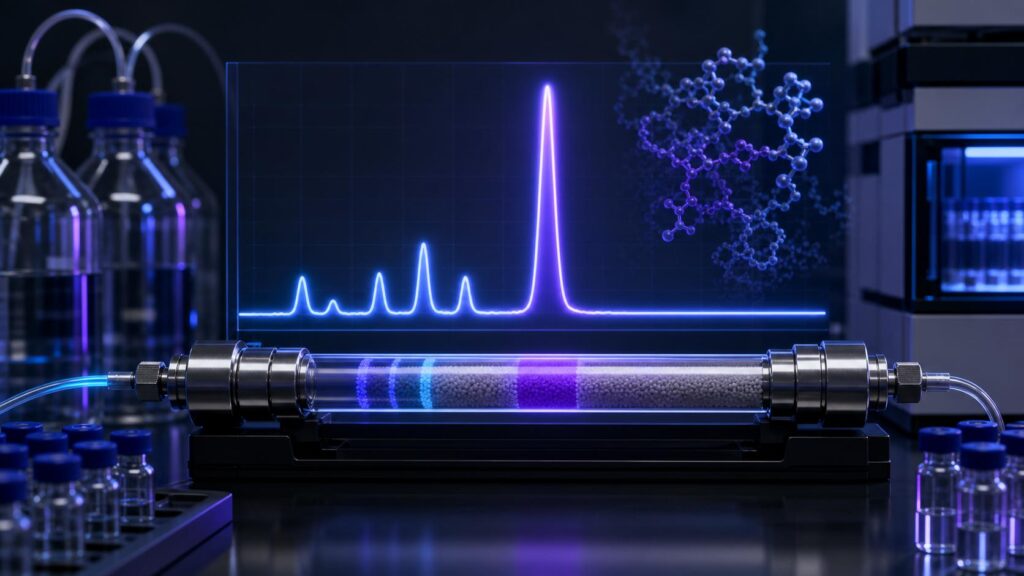
1. What Does 99% Peptide Purity Actually Mean?
Understand how purity percentages are reported and why 99% HPLC area purity is not necessarily 99% peptide content by mass.

2. Purity vs Potency: Understanding the Difference in Peptide Research
Learn why chemical purity and biological potency describe different characteristics.

3. Understanding Certificates of Analysis (COAs): A Guide to Peptide Testing
Discover what a certificate of analysis may contain and how to interpret laboratory test documentation.
Intermediate — Analytical Testing & Quality Control
Explore HPLC, mass spectrometry, impurity identification and certificates of analysis.

4. What Is HPLC Testing? A Complete Guide to Peptide Purity Analysis
Understand chromatography, separation methods, chromatograms and analytical purity measurements.
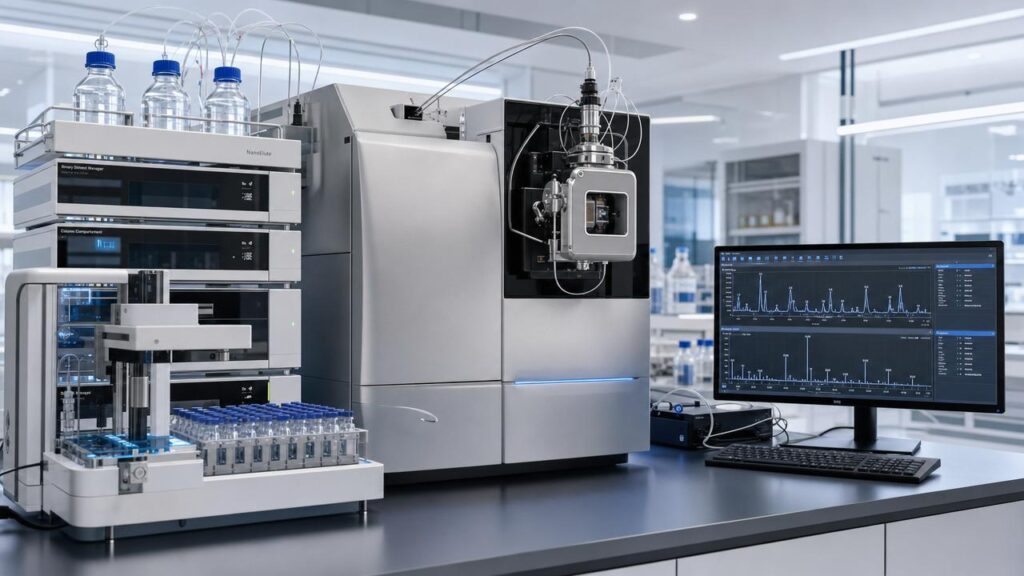
5. What Is Mass Spectrometry? A Guide to Peptide Identification and Testing
Explore how mass-to-charge measurements support molecular identification.
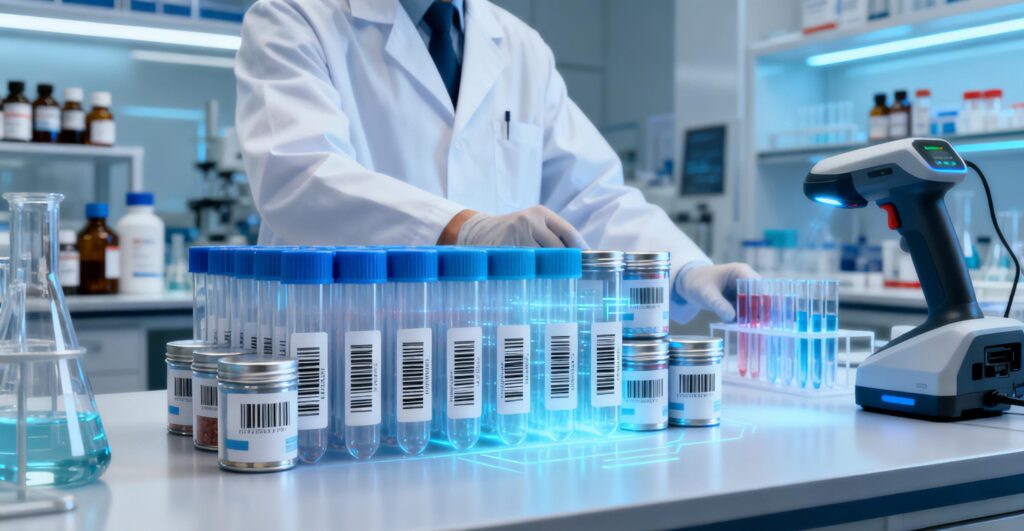
6. How Do Laboratories Identify Peptide Impurities?
Learn about potential synthesis by-products, degradation products and analytical approaches to impurity detection.
Advanced — Stability, Storage & Quality Assurance
Understand material stability, handling considerations and research traceability.

7. Understanding Lyophilised (Freeze-Dried) Peptides
Discover the principles of freeze-drying and its role in preparing materials for storage.
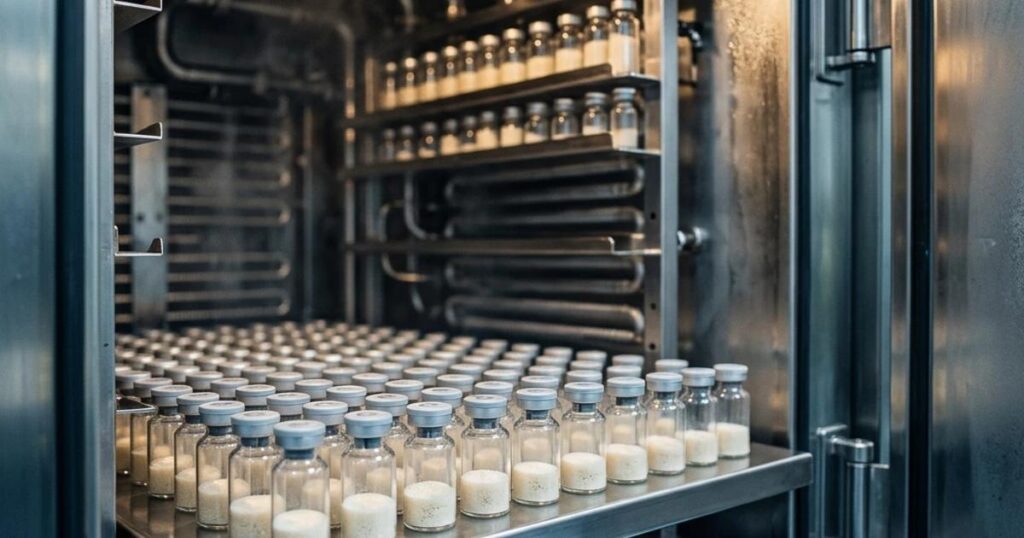
8. Why Does Peptide Stability Matter?
Explore chemical stability, degradation pathways and their potential effects on experimental results.
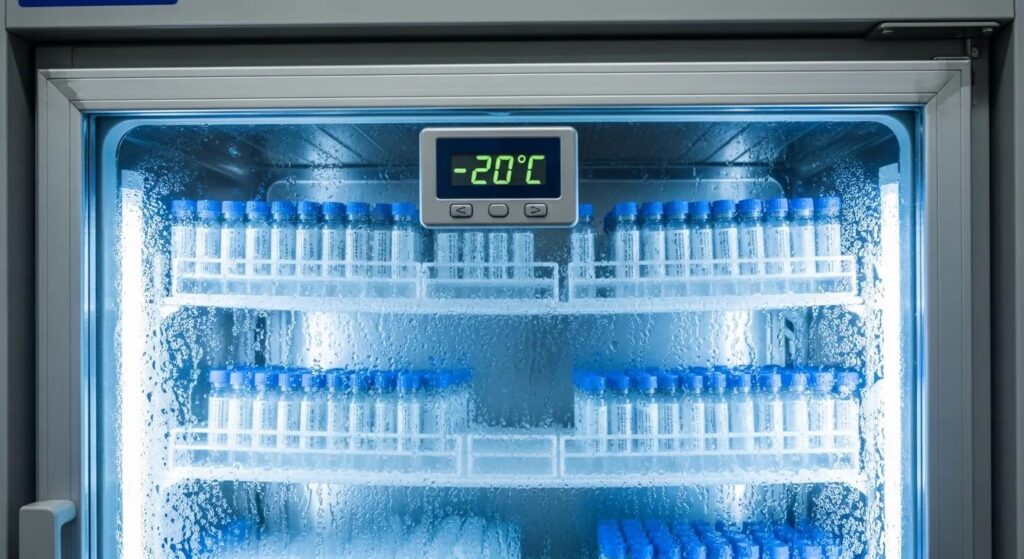
9. Why Is Laboratory Storage Important? A Guide to Peptide Stability and Quality
Understand how storage conditions can influence the integrity of laboratory research materials.
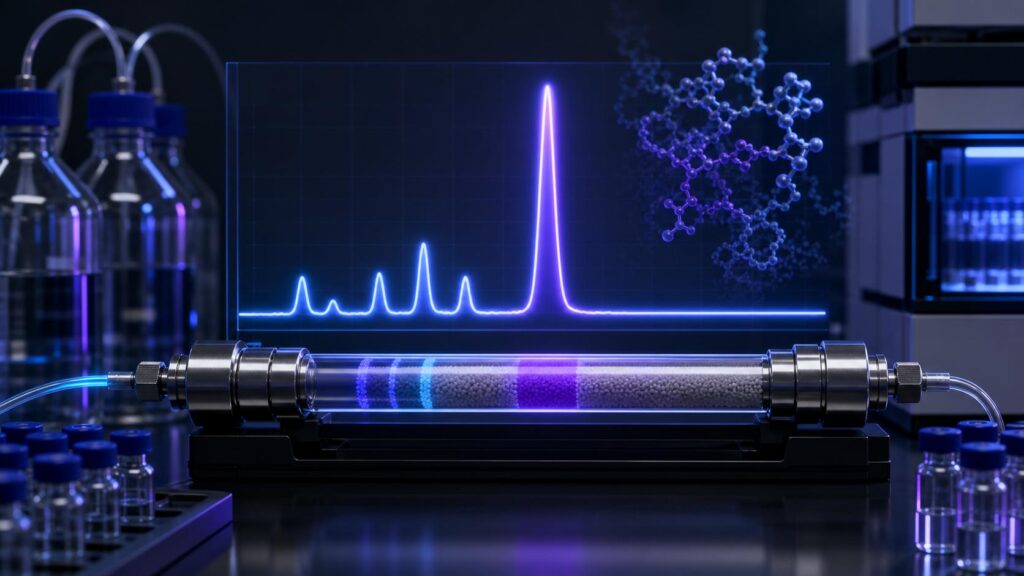
10. What Is Batch Traceability? A Guide to Peptide Quality and Laboratory Records
Learn how batch identification and documented material history support reproducible research.
Why Laboratory Quality Matters
Reliable scientific research depends on understanding the materials used in experiments.
Peptide identity, analytical purity, storage conditions and batch traceability can all influence the interpretation and reproducibility of laboratory results.
A single purity percentage does not establish every aspect of material quality. Different analytical techniques provide different types of evidence, and results should always be interpreted within the limitations of the methods used.
Our Laboratory Quality & Purity guides explain these principles to help readers develop a clearer understanding of scientific quality assessment.
Continue Exploring the Knowledge Hub
Expand your understanding of peptide science through our other educational collections:
Scientific & Educational Disclaimer
The Peptides UK Knowledge Hub is intended for general scientific education only.
Information about analytical purity, stability or laboratory testing should not be interpreted as evidence that a substance is safe, effective or approved for human or veterinary use.
Research materials must be handled in accordance with applicable laboratory standards and legal requirements.