What does scientific research actually tell us about experimental peptides, molecular signalling and emerging research compounds?
Welcome to Research Peptide Spotlights, part of the Peptides UK Knowledge Hub.
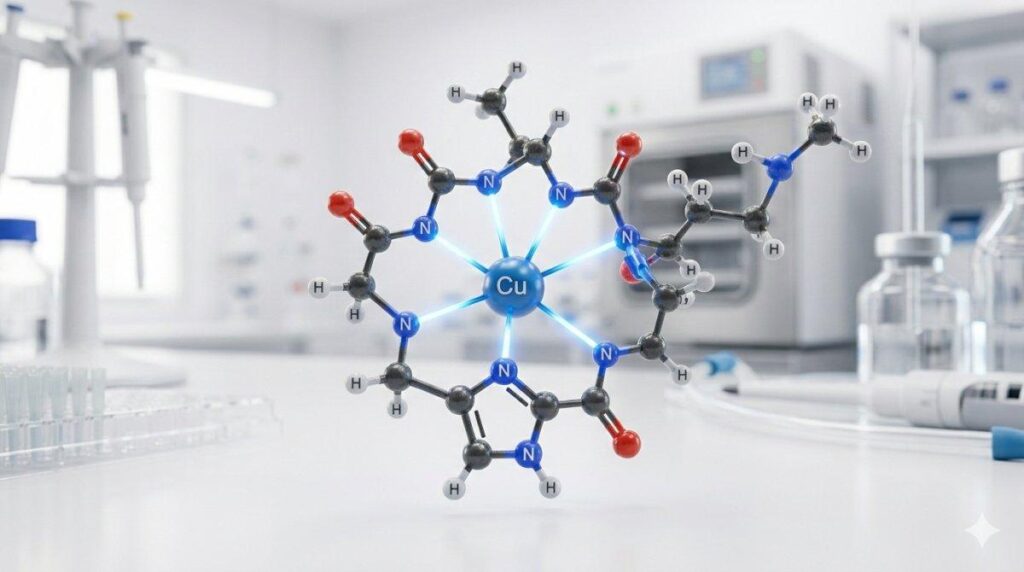
Explore 10 educational guides covering selected research peptides and related biochemical compounds, including BPC-157, TB-500, thymosin beta-4, retatrutide, GHK-Cu and NAD+.
Discover how researchers investigate molecular structures, receptor interactions, cellular signalling and biological mechanisms, while learning how to distinguish laboratory observations, animal studies and human clinical evidence.
Our guides examine both the scientific findings and their limitations, helping readers understand why promising preclinical results do not automatically demonstrate human safety or effectiveness.
Explore Three Research Areas
Compound Research Spotlights: Investigate individual peptides and related compounds.
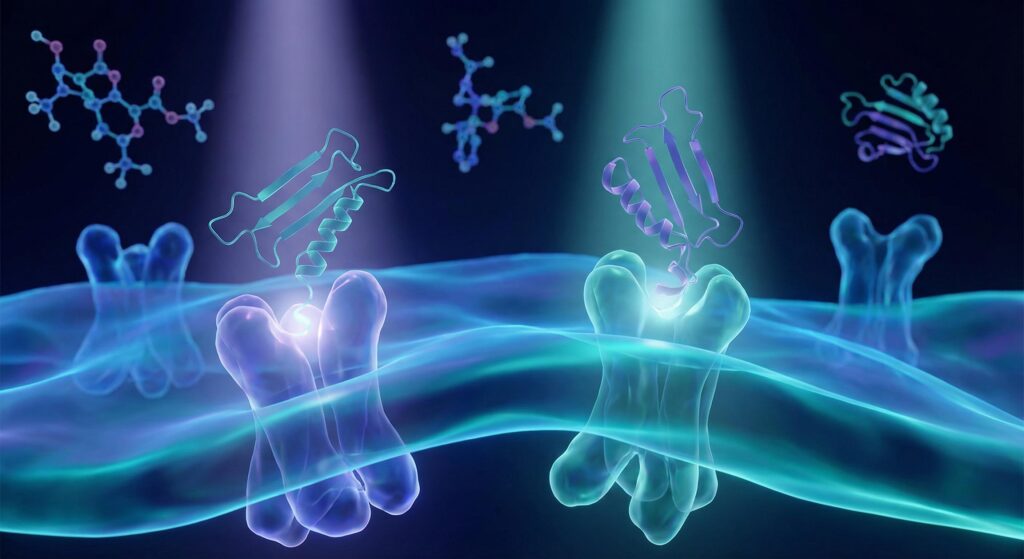
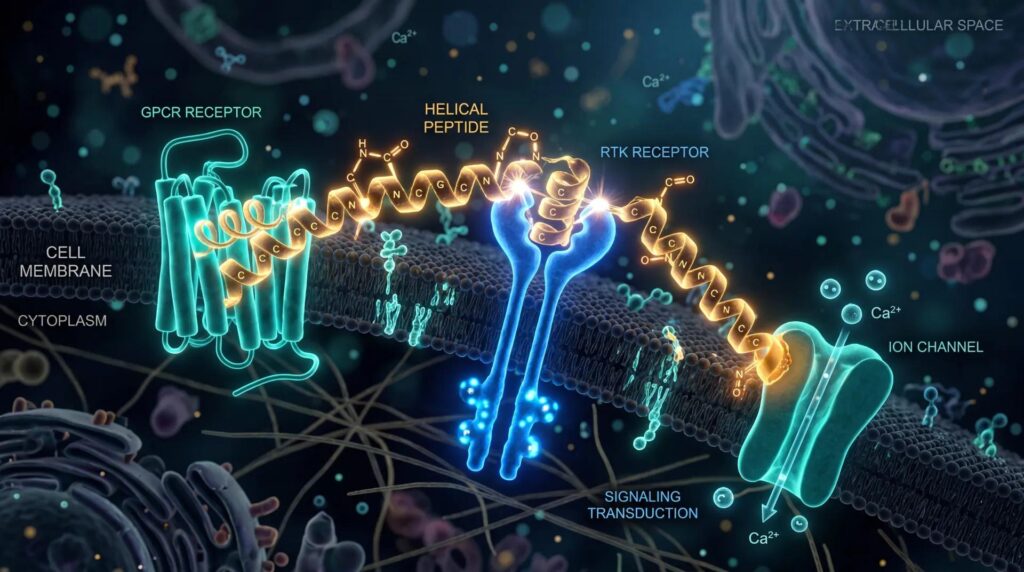
Molecular Signalling: Understand receptors and biological communication.
Research Methods & Evidence: Learn how scientific findings are evaluated and interpreted.
Start exploring the research, understand the evidence and discover the science behind experimental peptide investigations.
Individual Compound Spotlights
Learn about selected experimental compounds, their molecular characteristics and the scientific questions being investigated.
1. BPC-157: What Has Preclinical Research Investigated?
Explore the areas investigated in experimental BPC-157 studies and why preclinical findings cannot establish human safety or effectiveness.
Learn about the GLP-1, GIP and glucagon receptor systems studied in metabolic research and the distinction between experimental mechanisms and established clinical outcomes.
Scientific discoveries begin with questions, experiments and careful analysis.
Research involving peptides and related compounds can provide valuable insights into molecular interactions, cellular signalling and biological processes.
However, laboratory observations, animal studies and human clinical trials answer different scientific questions.
A promising experimental result does not necessarily establish that a compound is safe, effective or suitable for human use.
Our Research Peptide Spotlights collection encourages readers to evaluate scientific findings critically, consider the limitations of each study and distinguish established knowledge from emerging hypotheses.
Continue Exploring the Knowledge Hub
Expand your understanding with our other educational collections:
The Peptides UK Knowledge Hub provides general scientific education and does not offer medical advice, treatment recommendations or instructions for administering experimental substances.
References to experimental compounds, molecular mechanisms or preclinical findings do not establish clinical safety, effectiveness or regulatory approval.
Readers should consult primary scientific literature and relevant regulatory guidance when evaluating research findings.