Explore Peptide Synthesis, Analytical Chemistry & Experimental Research Methods
How are research peptides synthesised, analysed and evaluated in modern scientific laboratories?
Welcome to Advanced Research Education, part of the Peptides UK Knowledge Hub.
Explore 10 in-depth educational guides covering peptide synthesis, molecular characterisation, analytical measurement, experimental design and the scientific principles behind drug development.
Learn how solid-phase peptide synthesis (SPPS) is used to assemble peptide chains, how researchers measure molecular weight and concentration, and how analytical methods are validated to support reliable laboratory results.
Discover the importance of peptide stability, structure–activity relationships, experimental controls and the differences between in vitro and in vivo research.
Finally, explore how laboratory findings are assessed through preclinical research, human clinical trials and regulatory review.
Explore Three Research Areas
- Peptide Synthesis & Molecular Chemistry: Understand peptide formation, solid-phase synthesis and molecular properties.
- Analytical Methods & Peptide Characterisation: Learn about concentration measurement, degradation, structure–activity relationships and analytical validation.
- Experimental Design & Clinical Research: Explore laboratory models, experimental controls and the stages of medicine development.
Build your scientific understanding, explore research methodologies and learn how reliable experimental evidence is produced.
Peptide Synthesis & Molecular Chemistry
Understand how synthetic peptides are produced and how their molecular characteristics are investigated.

1. How Does Peptide Synthesis Work?
Understand how amino acids are joined into peptide chains and why chemical synthesis requires careful control of reaction conditions.

2. What Is Solid-Phase Peptide Synthesis?
Explore the principles of resin-supported peptide assembly and the role of solid-phase synthesis in modern peptide chemistry.

3. Understanding Molecular Weight in Peptide Research
Learn why molecular weight matters when identifying, characterising and studying peptide molecules.
Analytical Methods & Peptide Characterisation
Explore concentration measurement, degradation, molecular relationships and analytical method validation.

4. How Do Researchers Measure Peptide Concentration?
Explore the principles behind quantitative analysis and why the choice of measurement method matters.

5. What Is Peptide Degradation?
Understand how chemical changes can affect peptide integrity and how degradation is investigated in laboratory studies.
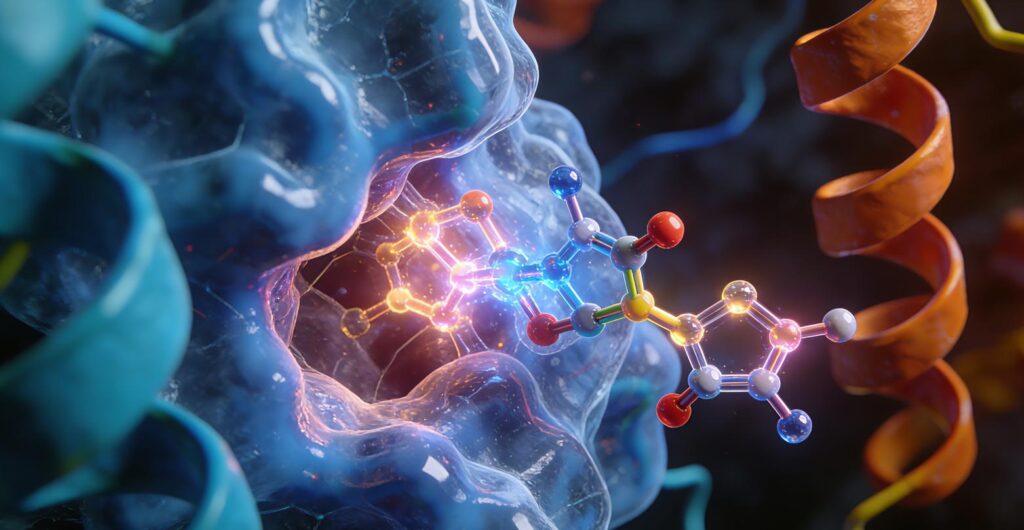
6. What Is a Structure–Activity Relationship?
Learn how researchers investigate the relationship between molecular structure and observed biological activity.
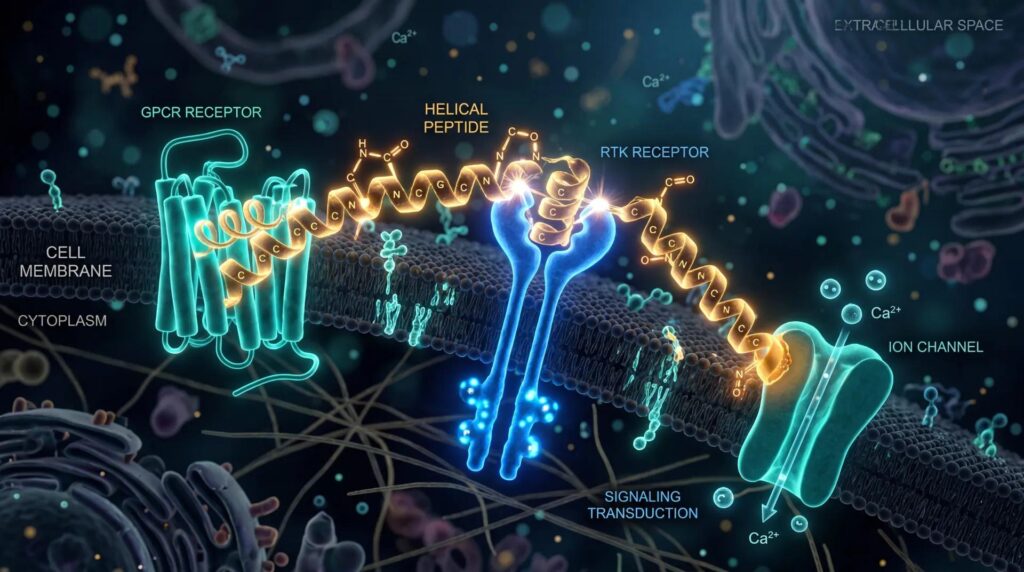
7. How Do Scientists Validate Analytical Methods?
Explore analytical validation concepts such as accuracy, precision, specificity and reproducibility.
Experimental Design & Clinical Research
Explore laboratory models, experimental controls and the stages of medicine development.
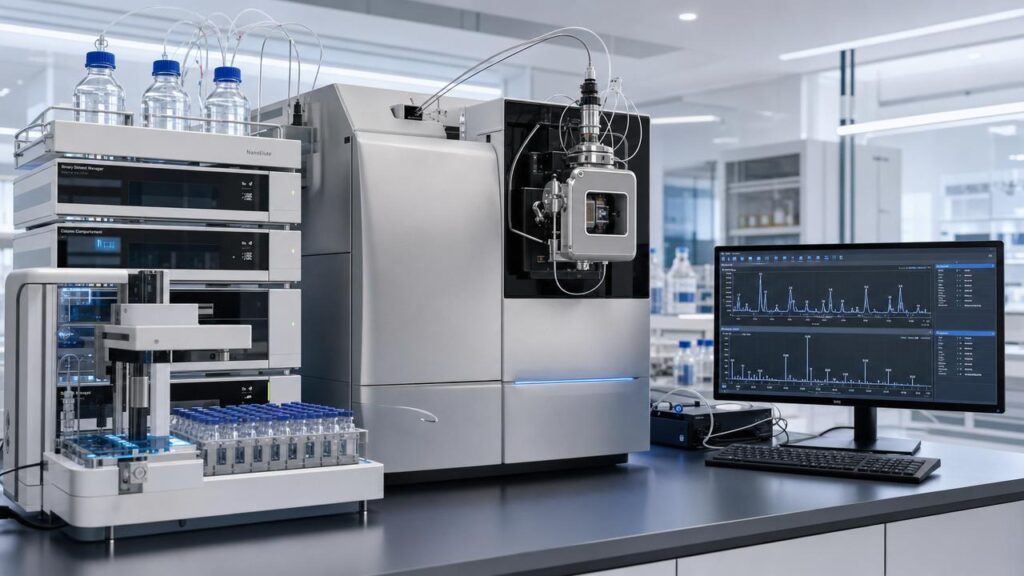
8. What Is the Difference Between In Vitro and In Vivo Research?
Compare research conducted in controlled laboratory systems with studies involving living organisms.

9. What Are Research Controls and Why Do They Matter?
Learn how control groups, comparison conditions and experimental design help researchers interpret results.

10. From Laboratory Research to Clinical Trials: How Drug Development Works
Explore the stages of preclinical research, clinical evaluation and regulatory assessment involved in developing medicines.
Why Advanced Research Education Matters
Reliable scientific research requires more than an understanding of individual molecules.
Researchers must consider how materials are synthesised, how analytical measurements are obtained, how experiments are controlled and how findings are interpreted.
Peptide synthesis, molecular characterisation and analytical validation all contribute to understanding experimental materials. Equally important are the principles of experimental design, reproducibility and scientific evidence.
A laboratory observation does not automatically demonstrate clinical effectiveness. Different research methods provide different levels and types of evidence, and conclusions must reflect the limitations of each study.
Our Advanced Research Education collection aims to make these scientific principles easier to understand.
Continue Exploring the Knowledge Hub
Build on your scientific knowledge with our other educational collections:
Scientific & Educational Disclaimer
The Peptides UK Knowledge Hub provides general scientific education only.
Content about peptide chemistry, laboratory research and drug development is not medical advice and does not establish that experimental compounds are safe, effective or approved for human or veterinary use.
Research findings should be evaluated using appropriate scientific evidence, laboratory standards and applicable regulatory requirements.