Peptide Science Basics
Learn the Fundamentals of Peptide Science — From Amino Acids to Molecular Research
What are peptides, how are they formed, and why are they important in modern scientific research?
Welcome to Peptide Science Basics, a free educational resource from the Peptides UK Knowledge Hub.
Explore 10 structured guides covering the fundamental principles of peptide chemistry, amino acid sequences, peptide bonds, molecular signalling, laboratory synthesis and biotechnology.
Whether you’re a student, laboratory researcher or curious learner, our guides help you understand the science behind peptides through clear explanations and practical scientific examples.
Start with the fundamentals, explore molecular structure and function, then discover how peptides are synthesised and studied in modern laboratories.
Choose Your Learning Level
- Beginner: Understand peptides, amino acids and proteins.
- Intermediate: Explore molecular structures, sequences and receptors.
- Advanced: Learn about peptide synthesis, research methods and biotechnology.
New to peptide science? Start with Guide 1: What Are Peptides?
Beginner — Understanding the Fundamentals
Discover what peptides are, how amino acids form molecular chains, and how peptides differ from proteins.
1. What Are Peptides? A Beginner’s Guide
Understand peptide bonds, amino acid chains and the basic structure of peptides.
2. What Are Amino Acids and Why Are They Important?
Learn about the molecular building blocks of peptides and proteins.
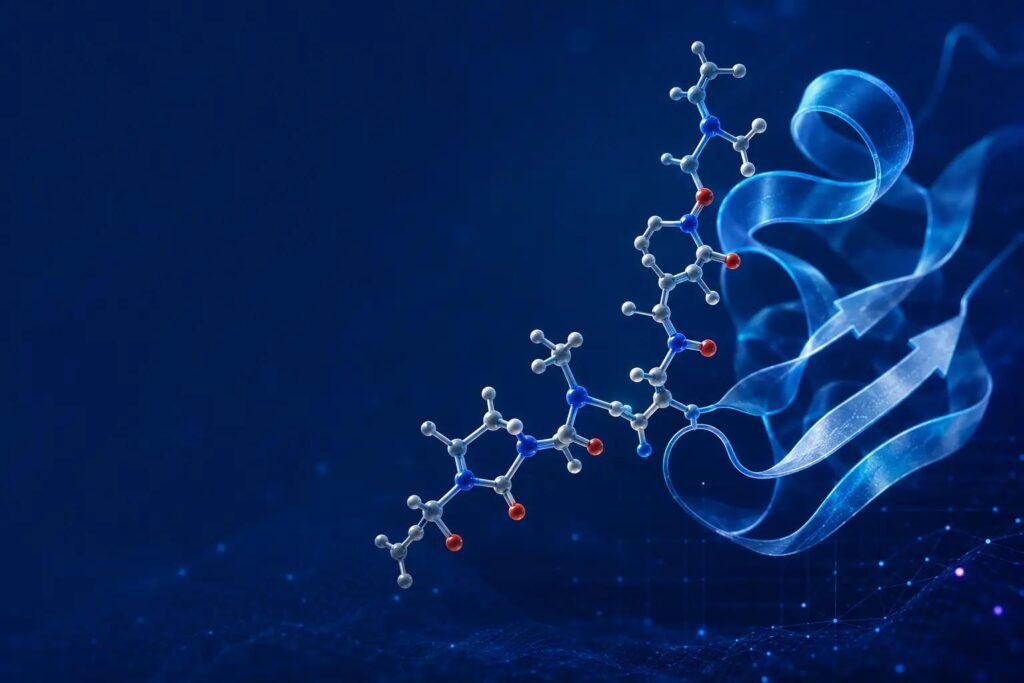
3. Peptides vs Proteins: What’s the Difference?
Compare molecular size, structural complexity and biological roles.
Intermediate — Molecular Structure and Function
Explore peptide sequences, molecular interactions and the role of receptors in cellular communication.
4. How Do Peptides Work at the Molecular Level?
Understand molecular recognition, receptor binding and cellular signalling.

5. What Is a Peptide Sequence? Understanding Amino Acid Order and Molecular Structure
Discover how the order of amino acids influences peptide characteristics.
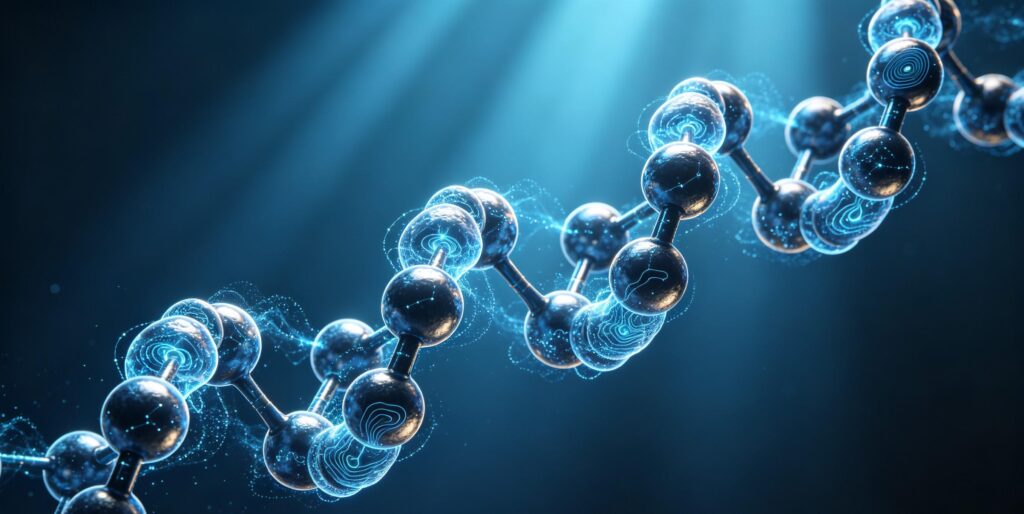
6. What Are Peptide Receptors? Understanding How Cells Communicate
Explore how receptors recognise signalling molecules and participate in cellular communication.
Advanced — Synthesis, Research & Biotechnology
Explore laboratory science and real-world research applications.
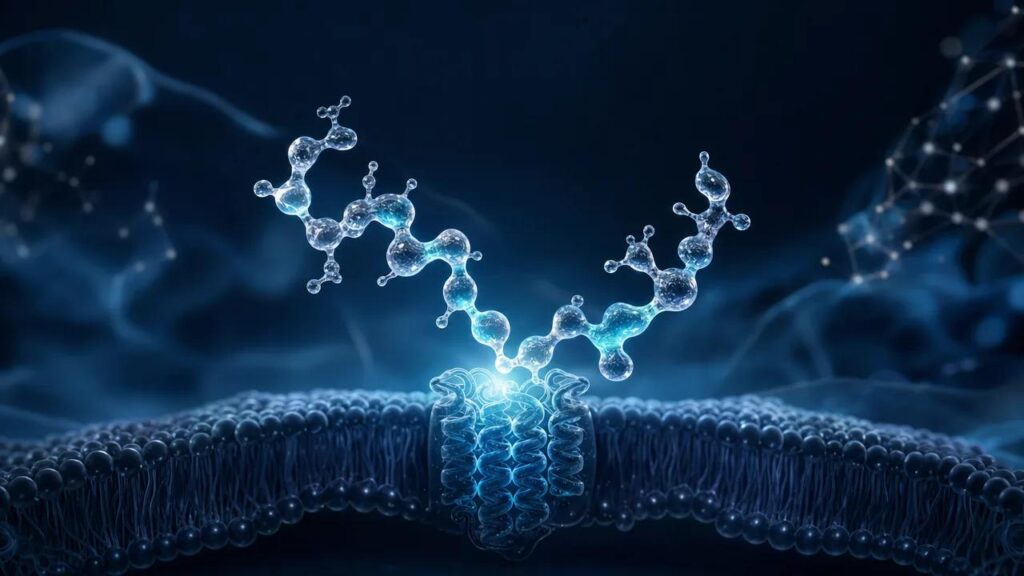
7. How Are Synthetic Peptides Manufactured?
An introduction to laboratory synthesis and the production of peptide molecules.
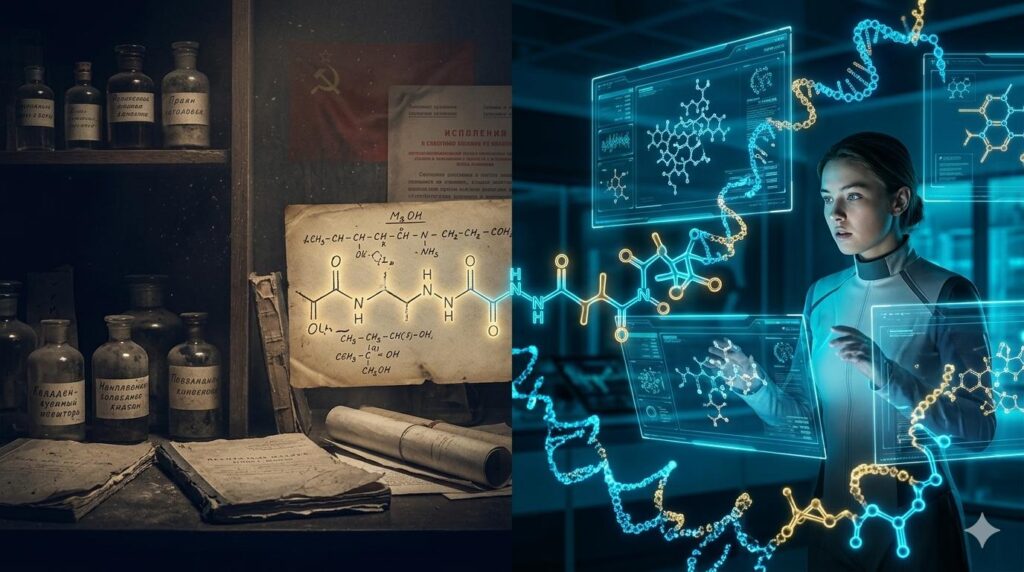
8. The History of Peptide Research: From Discovery to Modern Biotechnology
Explore important developments in peptide chemistry and scientific research.
9. Why Are Peptides Important in Modern Biotechnology?
Discover the relevance of peptides to molecular biology, analytical chemistry and biotechnology.
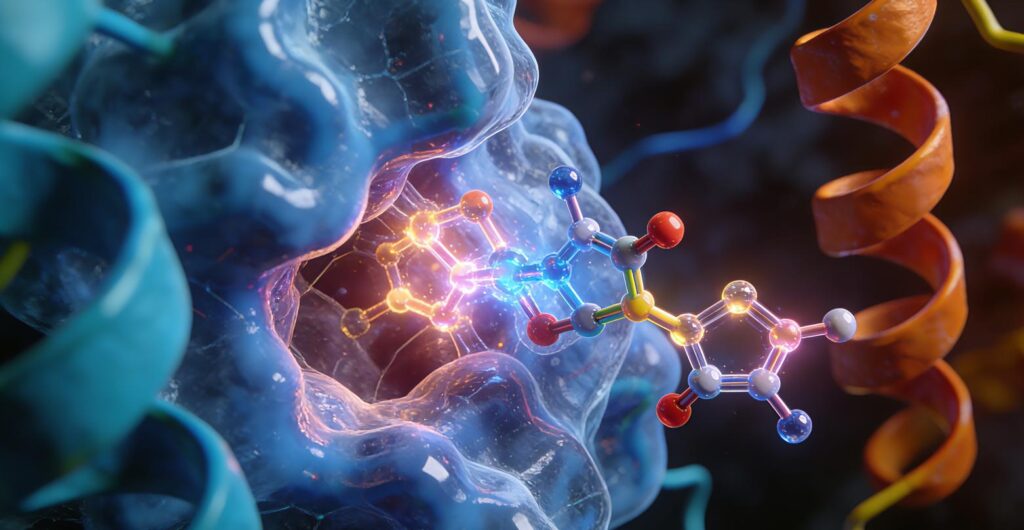
10. How Scientists Study Peptide Interactions
Learn about experimental methods used to investigate molecular interactions.
Continue Exploring Peptide Science
Peptide science brings together chemistry, molecular biology and biotechnology. Understanding these foundations can help readers interpret scientific literature and appreciate how researchers investigate molecular structure and function.
Once you’ve explored the fundamentals, continue learning through our other Knowledge Hub collections:
Scientific & Educational Disclaimer
This Knowledge Hub provides general scientific education and is not medical advice. Laboratory findings do not establish that experimental compounds are safe or effective for human use. Research materials must be handled in accordance with applicable laws and laboratory standards.